
Popular Wood Types Used for Deck and Porch Construction
People seeking deck and porch construction often want durable, attractive wood types, and local contractors can help choose and work with the best options for their project.
If you’re exploring options for building or upgrading a deck or porch, understanding the popular wood types used for these structures can be a valuable step. Property owners in the area often consider factors like durability, appearance, and maintenance needs when choosing the right material for their outdoor spaces. Knowing which woods stand up well to local weather conditions and how they can complement the style of a home helps make informed decisions. Local contractors specializing in deck and porch construction are well-versed in these wood options, and can guide property owners toward choices that best suit their needs and preferences.
Continuing to learn about the different types of wood used in deck and porch projects can help property owners plan for long-lasting, attractive outdoor spaces. Whether aiming for a classic look or a more modern aesthetic, many popular wood types are available that meet a variety of functional and visual requirements. Connecting with experienced service providers in the area ensures that the chosen materials are installed properly, maximizing their benefits and enhancing the overall appeal of the property. Keep reading to discover more about these wood options and how they can fit into your outdoor improvement plans.
- Composite decking - homeowners considering low-maintenance options for their decks often seek local contractors experienced in installing composite materials.
- Redwood and cedar - those wanting naturally resistant wood for porches and decks rely on local service providers familiar with these durable options.
- Pressure-treated lumber - clients planning budget-friendly outdoor structures frequently work with local pros skilled in handling treated woods for longevity.
- Ipe and other tropical hardwoods - individuals interested in high-end, long-lasting decking materials look for local contractors knowledgeable about installing dense hardwoods.
- Pine and fir - builders aiming for versatile and affordable wood choices for porches often contact local pros experienced in working with softwoods.
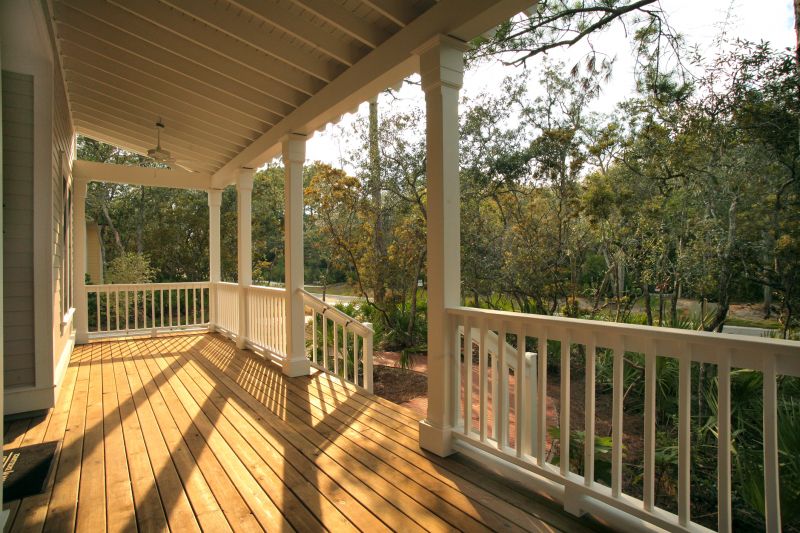
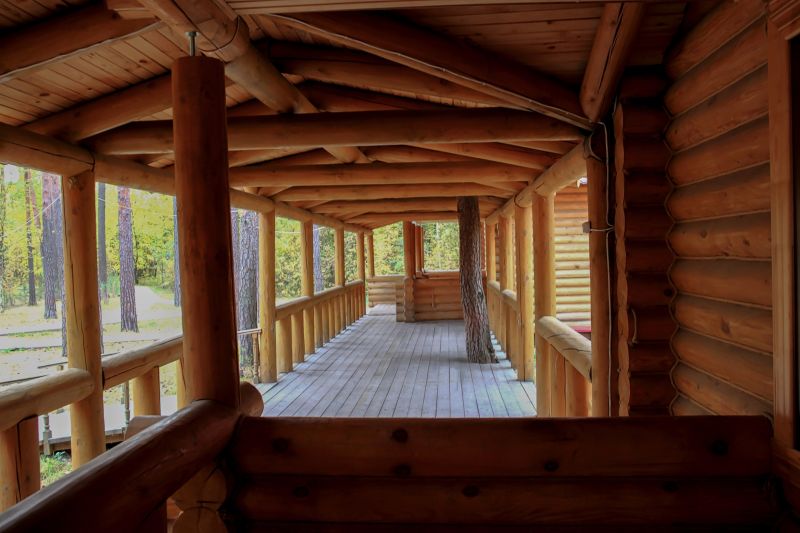
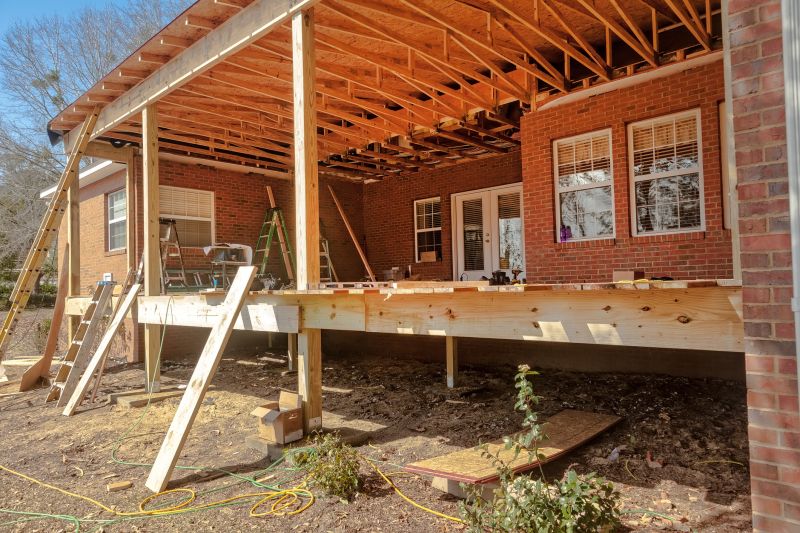
When searching for information about popular wood types used for deck and porch construction, homeowners often want to understand which materials are most suitable for outdoor projects that require durability, visual appeal, and ease of maintenance. This topic is commonly explored in the context of planning or upgrading a backyard deck, porch, or patio area. Homeowners may be facing specific challenges such as choosing a wood that withstands weather elements, resists pests, or complements the style of their property. The search often relates to questions about how different woods perform over time, what options are available within various price ranges, and how local contractors can help select and install the right materials for their outdoor space.
The kinds of problems or plans connected to this topic typically involve building a new deck or porch from scratch, replacing an aging structure, or adding features like railings and steps. Many property owners are considering which wood types will offer long-lasting performance without requiring excessive upkeep. Others may be interested in achieving a certain aesthetic, whether that means a rustic, natural look or a sleek, modern appearance. These plans often involve collaboration with local service providers who can advise on the best wood options based on climate conditions, property style, and personal preferences, ensuring the finished project meets both functional and visual goals.
Properties that come up in discussions about popular wood types for decks and porches tend to vary widely. Residential homes with backyard spaces are common, especially those with multi-level decks or wraparound porches. Larger properties, such as lakeside cabins, mountain retreats, or suburban family homes, often feature expansive outdoor living areas where material choice becomes even more critical. Smaller properties or urban settings might focus on compact decks or balcony porches, where the right wood can maximize space and durability. Local contractors experienced in working with a range of property types can help homeowners select the most suitable wood for their specific property, ensuring the outdoor structure enhances the overall appeal and functionality.
Understanding the different types of wood used for deck and porch construction helps homeowners make informed decisions aligned with their project needs. Common options include pressure-treated lumber, which offers affordability and resistance to rot; cedar, valued for its natural beauty and decay resistance; and exotic hardwoods like ipe or tigerwood, known for exceptional strength and longevity. Each wood type has its unique advantages and considerations, making it important to work with local service providers who understand the characteristics of these materials. These professionals can assist in selecting the right wood, ensuring proper installation, and helping property owners achieve a durable, attractive outdoor space that fits their lifestyle and property style.
Pergola and Trellis Projects - These projects often use similar woodworking skills and planning as deck construction, with local contractors offering expertise in framing and material selection.
Outdoor Furniture Building - Crafting custom outdoor furniture requires knowledge of durable wood types and finishing techniques that are also essential for decks and porches.
Fence Installation - Fencing projects involve similar planning, tool use, and material considerations as deck and porch construction, making local service providers well-versed in these areas.
Gazebo and Pavilion Construction - Building structures like gazebos involves carpentry skills and material choices comparable to those used in deck and porch projects.
Shed and Storage Building - Erecting sheds involves framing, wood selection, and planning skills that align with the requirements of deck and porch construction work.
Outdoor Kitchen and Bar Installations - These features often require similar planning, material handling, and carpentry techniques as deck and porch projects, with local contractors providing specialized services.
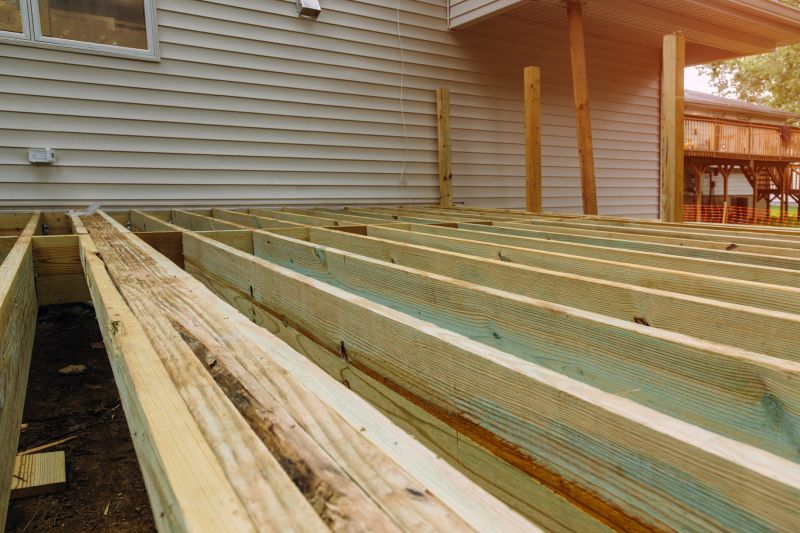
When comparing local contractors for deck and porch construction, it is important to consider their experience with projects that involve popular wood types used for these structures. Contractors who have worked on similar projects are more likely to understand the unique characteristics and installation requirements of various woods, such as cedar, redwood, or composite materials. Reviewing their portfolio or asking for examples of past work can provide insight into their familiarity with different wood options and their ability to handle the specific demands of your project.
Clear written expectations are essential when evaluating potential service providers. A reputable local contractor should be able to outline the scope of work, materials to be used, and the overall process in a detailed manner. This transparency helps ensure that both parties have aligned understanding of the project and reduces the likelihood of misunderstandings or surprises later on. It also demonstrates professionalism and a commitment to clear communication, which are key indicators of a reliable contractor.
Reputable references and good communication are vital factors when choosing a contractor for deck and porch construction. Speaking with previous clients or reviewing references can reveal the contractor’s track record for delivering quality work and maintaining positive relationships. Additionally, a contractor’s responsiveness and willingness to answer questions throughout the process can reflect their level of professionalism and dedication to customer satisfaction. Prioritizing service providers who communicate effectively and have a history of satisfied clients can lead to a smoother, more confident construction experience.
Property owners often search for popular wood types used for deck and porch construction when they are planning practical projects around their homes and businesses. Local pros provide Deck and Porch Construction services for everyday jobs and straightforward project options.
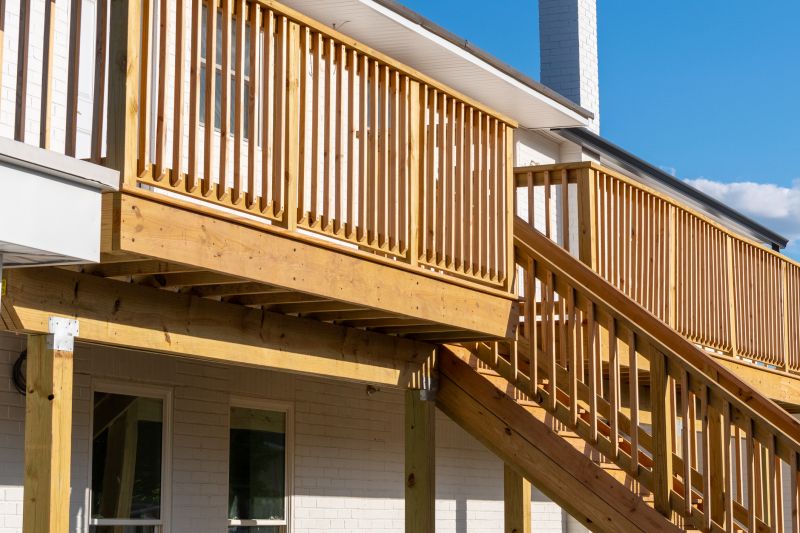
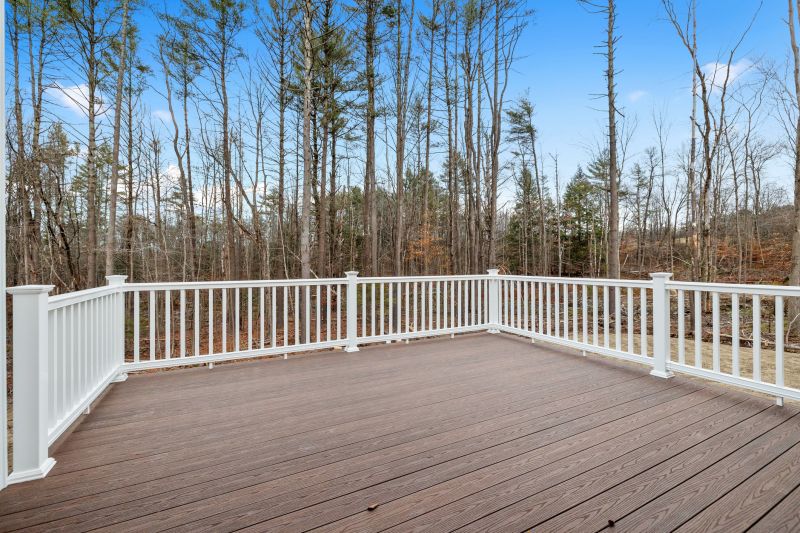
Many property owners exploring options for building or upgrading decks and porches often look into popular wood types used for construction. Understanding the differences between materials like cedar, redwood, pressure-treated lumber, and tropical hardwoods can help homeowners make informed decisions about durability, appearance, and maintenance needs. Since these choices can impact the longevity and style of outdoor spaces, many turn to local contractors who specialize in deck and porch construction to get expert advice tailored to their specific property and climate conditions.
When considering which wood to use, property owners might seek out experienced service providers who can recommend the best options based on their project goals and budget. Local contractors are familiar with the most suitable wood types for various environments and can handle the installation process to ensure the structure is safe and long-lasting. Connecting with these professionals can help property owners achieve a beautiful, functional outdoor area that withstands the elements and complements their home’s style.
What are some popular wood types used for deck and porch construction? Common choices include pressure-treated pine, cedar, redwood, tropical hardwoods like ipe, and composite materials. Local contractors often recommend these based on durability and aesthetic preferences.
Which wood types are most resistant to weather and pests? Cedar and redwood are naturally resistant to moisture and pests, making them popular options for outdoor decks and porches. Local service providers can help select the best wood based on local climate conditions.
Are there differences in maintenance requirements among popular wood types? Yes, some woods like cedar and redwood require less maintenance due to their natural resistance, while pressure-treated pine may need regular sealing. Local contractors can advise on maintenance needs for each wood type.
Can local pros help choose the right wood type for a specific project? Absolutely, experienced local service providers can recommend suitable wood types based on the intended use, aesthetic preferences, and local environmental factors.
Is it possible to combine different wood types in a single deck or porch? Yes, some projects incorporate multiple wood types to balance cost, appearance, and durability. Local contractors can design and build custom solutions that utilize various woods effectively.
Choosing durable hardwoods can help property owners select wood types that stand up to heavy foot traffic and weather exposure when working with local contractors on deck or porch projects.
Considering softwood options allows homeowners to explore cost-effective and easy-to-work-with woods for casual outdoor spaces with the help of nearby service providers.
Evaluating treated vs. untreated woods can guide property owners in making informed decisions about maintenance needs and longevity for their outdoor structures.
Exploring exotic wood types offers ideas for unique, visually striking decks and porches, with local contractors able to source and install these specialty materials.
If you are thinking about popular wood types used for deck and porch construction for a property, this guide is meant to help you understand this topic, the typical project types, and how different options might fit your plans.
When you are ready, you can use the quote form on this page to share a few details about your project. From there, local pros can review the basics and follow up with options that match what you have in mind.